
Concrete Driveways
Durable concrete driveways that handle daily traffic and boost your home's curb appeal for years to come.
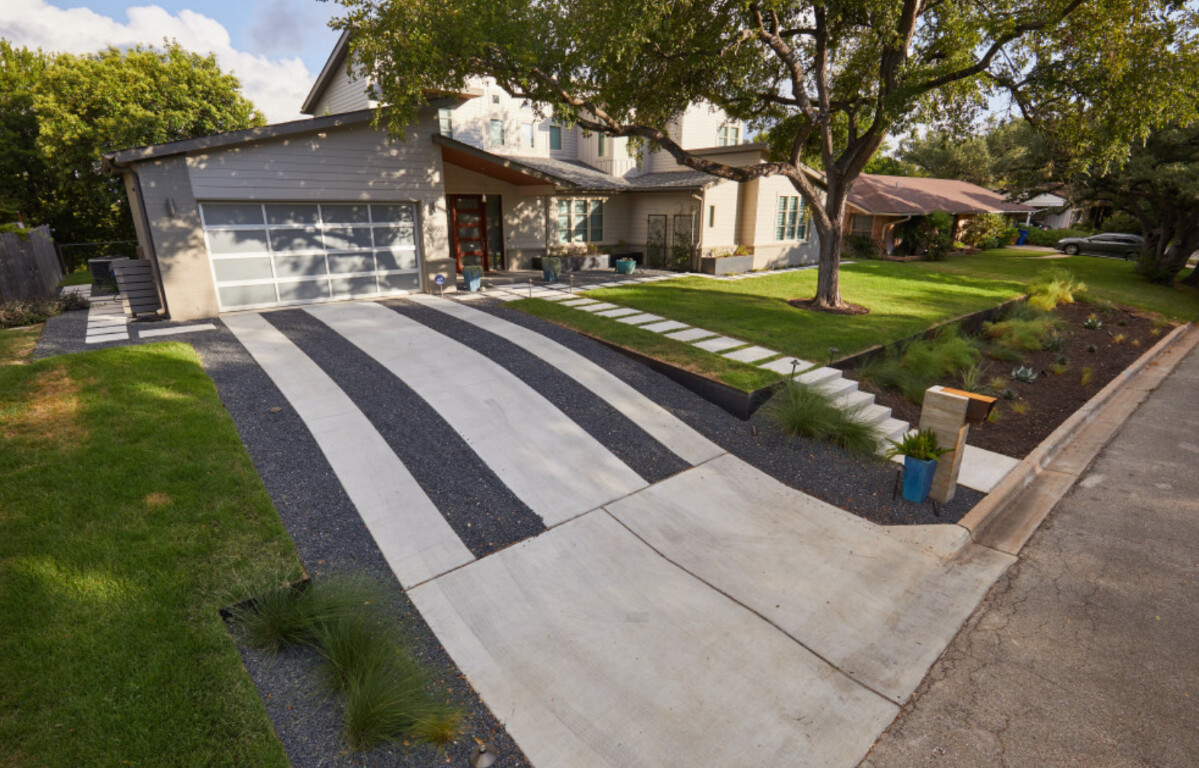
Why Choose Concrete for Your Driveway
Your driveway takes more abuse than almost any other part of your property. Cars drive over it multiple times every day. It sits in the sun and rain. Oil drips on it. Despite all this, a properly installed concrete driveway can last 30 years or more with minimal maintenance. That is why concrete remains the most popular driveway material in Hacienda Heights.
Concrete driveways cost more upfront than asphalt, but they make up for it in longevity and lower maintenance. You will not need to reseal a concrete driveway every few years like you would with asphalt. Concrete does not develop ruts from heavy vehicles or soften in summer heat. It stays firm and level year after year. The light color of concrete also reflects heat rather than absorbing it, which keeps your driveway cooler on hot days.
We have been pouring driveways in Hacienda Heights for years, and we know what works in our local conditions. The soil here varies from property to property. Some areas have stable soil that makes installation straightforward. Other spots have expansive clay that needs extra preparation. We assess your specific situation and build accordingly. Our experience with local conditions means fewer surprises and better results for you.
A concrete driveway also adds value to your home. Real estate agents will tell you that curb appeal matters when selling a house. A cracked, stained asphalt driveway makes a bad first impression. A smooth, clean concrete driveway suggests that the home has been well maintained. If you are planning to sell in the next few years, a new driveway can help your home sell faster and for a better price.
How We Build Driveways That Last
The secret to successful concrete driveway building is proper preparation. Most driveway problems start with poor subgrade or base work, not with the concrete itself. We never skip steps to save time or money because those shortcuts always cost more in the long run.
Site Preparation and Excavation
We start by removing the old driveway if you have one, along with enough soil to reach stable ground. The depth varies based on your soil type and how heavy your vehicles are. A driveway for standard cars needs less base than one that will support an RV or delivery trucks. We typically excavate eight to ten inches total, which gives us room for a proper base and the concrete thickness.
Next, we grade the area so water drains away from your garage and house. Even a slight slope prevents water from pooling on your driveway. Standing water eventually seeps through cracks and damages the base underneath. We use laser levels to get the grade exactly right. Your driveway should pitch about a quarter inch per foot, enough to drain water but not so steep that it is noticeable.
Base Installation
The base layer is crucial for driveway performance. We install four to six inches of crushed aggregate base and compact it thoroughly. This base does several important jobs. It provides a stable surface that will not shift or settle. It allows water to drain away instead of sitting under your concrete. And it helps prevent frost heave in rare cold snaps.
We compact the base in layers using a plate compactor or roller. Each layer gets compacted before we add the next one. Proper compaction takes time, but it prevents the settling that causes driveway cracks. Some contractors rush this step or skip it entirely. You can spot their work by the cracked, sunken driveways they leave behind.
Concrete Placement and Finishing
We pour driveways with 4000 PSI concrete, which is stronger than what most contractors use. The extra strength costs a little more but resists cracking better, especially if you park heavy vehicles. We also add fiber reinforcement to the concrete mix. These tiny fibers help control small cracks that can develop as concrete cures.
For most driveways, we pour four inches of concrete. If you have particularly soft soil or plan to park heavy vehicles, we might recommend six inches. We install steel rebar or wire mesh reinforcement in the middle of the slab. This reinforcement holds any cracks together and prevents them from opening up.
The finishing process creates a surface that looks good and provides traction. We use a broom finish for most driveways because it gives your tires grip when the driveway is wet. Some customers prefer a smoother trowel finish for a more formal look. We can also do decorative stamped patterns if you want something unique. Whatever finish you choose, we make sure it is applied evenly and looks professional.
Driveway Design Options
Modern concrete driveways offer more design flexibility than you might think. Beyond the standard rectangular slab, you have several options to customize the look of your driveway:
- •Colored concrete: We can add color throughout the concrete mix or apply it to the surface. Colors range from subtle earth tones to bolder shades. Integral color goes all the way through the concrete, so it will not wear off over time.
- •Decorative borders: A contrasting border around the edges adds visual interest without much extra cost. We can use different colors, textures, or patterns for the border area.
- •Exposed aggregate: This finish reveals the stones in the concrete mix, creating a textured, slip-resistant surface. It hides stains better than smooth concrete and adds visual interest.
- •Stamped patterns: We can stamp concrete to look like brick, stone, or tile. This gives you a high-end look for less than actual pavers would cost. Stamped driveways need more maintenance than plain concrete but create impressive curb appeal.
- •Saw-cut patterns: After the concrete cures, we can cut decorative patterns into the surface. This creates clean lines that make your driveway look more intentional and finished. Saw cuts also serve as control joints that guide where cracks form if they develop.
We recommend keeping the design relatively simple for driveways. Complex patterns cost more and require more maintenance. A clean, well-finished plain driveway often looks better than an overly decorated one. That said, if you want your driveway to stand out, we have the skills and experience to make it happen.
Maintenance Tips for Long Driveway Life
Concrete driveways need less maintenance than other materials, but some basic care will keep yours looking good and lasting longer. Here is what we recommend to our Hacienda Heights customers:
Seal your driveway every three to five years. A good sealer protects concrete from water penetration, freeze-thaw damage, and staining. It also makes your driveway easier to clean. You can apply sealer yourself or hire us to do it. The process is simple but makes a big difference in how long your driveway lasts.
Clean oil stains promptly. Oil penetrates concrete and leaves dark stains that are hard to remove later. When you notice a fresh oil drip, absorb it with cat litter or another absorbent material. Then scrub the area with detergent and hot water. Old oil stains need special concrete degreasers to remove.
Avoid using deicing salts in winter. Hacienda Heights rarely gets cold enough to need them, but some people use salt during rare freezing weather. Salt can damage concrete surfaces, especially during the first year when the concrete is still curing. If you need to melt ice, use sand for traction instead.
Fix small cracks early. Tiny cracks are normal and do not threaten your driveway's structure. But if you leave them alone, they let water in and grow larger. We can fill small cracks with concrete caulk or epoxy. This quick repair prevents small problems from becoming big ones. Similar to maintenance for concrete patios, addressing issues early saves money in the long run.
Keep your driveway clean. Sweep it regularly to remove dirt and debris. Pressure wash it once or twice a year to remove built-up grime. A clean driveway not only looks better but lets you spot developing problems before they get serious. Plus, regular cleaning prevents dirt from grinding into the concrete surface and wearing it down.
Frequently Asked Questions About Concrete Driveways
Here are answers to the questions we hear most often about driveway installation: