Concrete Leveling
Lift and level sunken concrete slabs to eliminate trip hazards without the mess and expense of full replacement.
Why Concrete Sinks and What You Can Do About It
Uneven concrete is more than just an eyesore. Sunken slabs create trip hazards that can cause injuries and liability issues. They also affect drainage, sometimes directing water toward your foundation instead of away from it. The traditional solution has been tearing out the sunken concrete and replacing it, which is expensive, messy, and time-consuming. Concrete leveling offers a better alternative for most situations.
Concrete settles when the soil underneath it erodes, compresses, or washes away. This happens for several reasons. Water flowing under slabs gradually carries soil away. Poorly compacted fill settles over time as it compresses under the concrete's weight. Tree roots can disturb soil and create voids. Sometimes the original contractors did not prepare the base properly, and problems show up years later. Whatever the cause, the result is concrete that sits lower than it should.
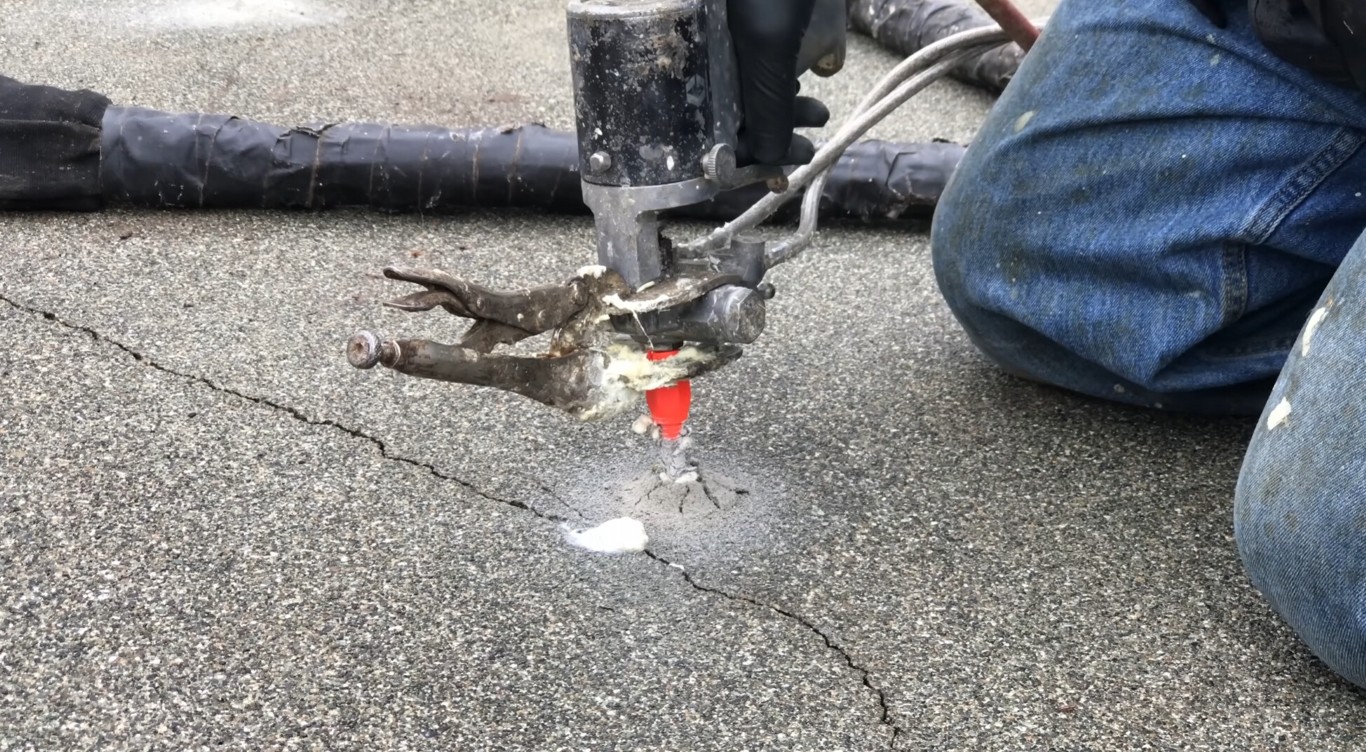
Concrete leveling, also called slabjacking or mud jacking, lifts sunken concrete back to its original position. We drill small holes through the concrete and pump material underneath. This material fills voids and lifts the slab from below. The process is less invasive and costs significantly less than replacement. Most leveling projects complete in a few hours, and you can use the concrete again almost immediately.
We have leveled thousands of concrete slabs in Hacienda Heights over the years. Driveways, sidewalks, patios, and garage floors all settle over time. The good news is that most sunken concrete can be saved through leveling rather than replaced. This makes sense financially and environmentally. You extend the life of your existing concrete rather than sending it to a landfill and pouring new material.
Concrete Leveling Methods We Use
Two main techniques exist for leveling concrete. Each has advantages for different situations:
Polyurethane Foam Injection
This modern method uses expanding polyurethane foam injected through small holes about the size of a penny. The foam expands underground, filling voids and lifting the slab. Polyurethane weighs very little, so it does not add load to already weak soil. It cures in minutes, which means you can use the surface almost immediately. The material is waterproof and will not wash out or erode like some alternatives.
Polyurethane works particularly well for residential applications like driveways, patios, and walkways. The small injection holes are less noticeable than larger holes needed for other methods. The foam expands to fill irregular voids that other materials might miss. It also provides some soil stabilization that helps prevent future settling. The main disadvantage is cost. Polyurethane leveling typically costs more than traditional methods, though still far less than replacement.
Cement Slurry Injection
The traditional mud jacking method pumps a cement-based slurry under the concrete. We drill larger holes, usually about two inches in diameter, through the slab. The slurry flows under the concrete, filling voids and creating pressure that lifts the slab. This method has been used successfully for decades and costs less than polyurethane injection.
Cement slurry works well for larger commercial applications and situations where lifting heavy loads is required. The slurry is denser than foam, which can be an advantage for some applications. It takes longer to cure than polyurethane, usually requiring 24 hours before the surface can handle traffic. The larger holes are more visible after repair, though we patch them carefully to minimize their appearance. Some soil types allow slurry to wash away over time, but this rarely happens in Hacienda Heights soil conditions.
Which Method We Recommend
The right leveling method depends on your specific situation. We consider the slab size, how much it has settled, the soil conditions underneath, and your budget. For most residential work, we recommend polyurethane foam because it is faster, lighter, and more permanent. For large commercial slabs or projects where cost is the primary concern, cement slurry makes sense. We assess your situation and recommend the approach that gives you the best long-term results within your budget.
What Concrete Can and Cannot Be Leveled
Concrete leveling works great for many situations, but it is not always the right solution. Here is what you need to know:
- •Good candidates for leveling: Concrete slabs that have settled but remain structurally sound work perfectly for leveling. If the concrete itself is not cracked extensively or broken apart, we can usually lift it successfully. Common applications include sunken driveway sections, settled walkways, uneven patio areas, and tilted garage floors.
- •Poor candidates for leveling: Concrete that is severely cracked, broken into multiple pieces, or structurally compromised should be replaced rather than leveled. Lifting broken concrete does not fix the cracks and might make them worse. Very old concrete near the end of its lifespan often makes more sense to replace.
- •Thickness matters: Concrete needs to be at least three to four inches thick to level successfully. Thinner concrete might crack when we apply lifting pressure. We inspect thickness before recommending leveling.
- •Soil conditions: If the soil underneath continues to erode or wash away, leveling provides only temporary relief. We need to address the cause of settling, which might mean improving drainage or stabilizing soil before or during the leveling process.
- •Settlement limits: Slabs that have dropped more than about six inches become difficult to level. The forces required to lift that much weight that far can crack the concrete. Multiple smaller lifts might work, but at some point replacement becomes more practical.
We provide honest assessments of whether leveling makes sense for your situation. Sometimes we recommend a combination approach, leveling parts of a slab and replacing other sections. This hybrid strategy can save money compared to full replacement while still giving you good results. Our goal is solving your concrete problem in the most cost-effective way possible, whether that means leveling, repair, or replacement.
The Concrete Leveling Process
Understanding what happens during a leveling project helps you know what to expect. Here is our step-by-step process:
First, we assess the settled area and determine how much lifting is needed. We use levels and measuring tools to calculate the exact height difference. This lets us know how much material to inject and where to focus our efforts. We also look for causes of the settling so we can address them if possible. Fixing drainage problems or filling erosion channels prevents the slab from settling again.
Next, we drill injection holes through the concrete at strategic locations. The number and placement of holes depends on the size of the settled area and which leveling method we are using. Polyurethane requires smaller, fewer holes than cement slurry. We position holes to distribute lifting force evenly across the slab.
The injection process comes next. We pump leveling material through the holes under controlled pressure. As material accumulates underneath, the slab begins to rise. We monitor the lift carefully to ensure even, controlled movement. Lifting too fast or unevenly can crack concrete. We work methodically, often lifting in small increments and allowing the slab to stabilize between lifts.
As the slab approaches level, we fine-tune the lift. Getting concrete perfectly level requires skill and experience. We make small adjustments until measurements show the slab sits at the correct height. Any remaining voids get filled to provide solid support across the entire area. This prevents future settling in untreated areas.
Finally, we patch the injection holes with concrete that matches your existing surface as closely as possible. We clean the work area thoroughly and check that the leveled concrete drains properly. Most leveling projects complete in a few hours from start to finish. With polyurethane foam, you can use the surface immediately. Cement slurry requires waiting about 24 hours before driving or walking on the leveled area.
Frequently Asked Questions About Concrete Leveling
Property owners considering leveling usually ask these questions: