Stamped & Decorative Concrete
Get the high-end look of stone, brick, or tile at a fraction of the cost with professionally stamped concrete.
Transform Plain Concrete Into Something Beautiful
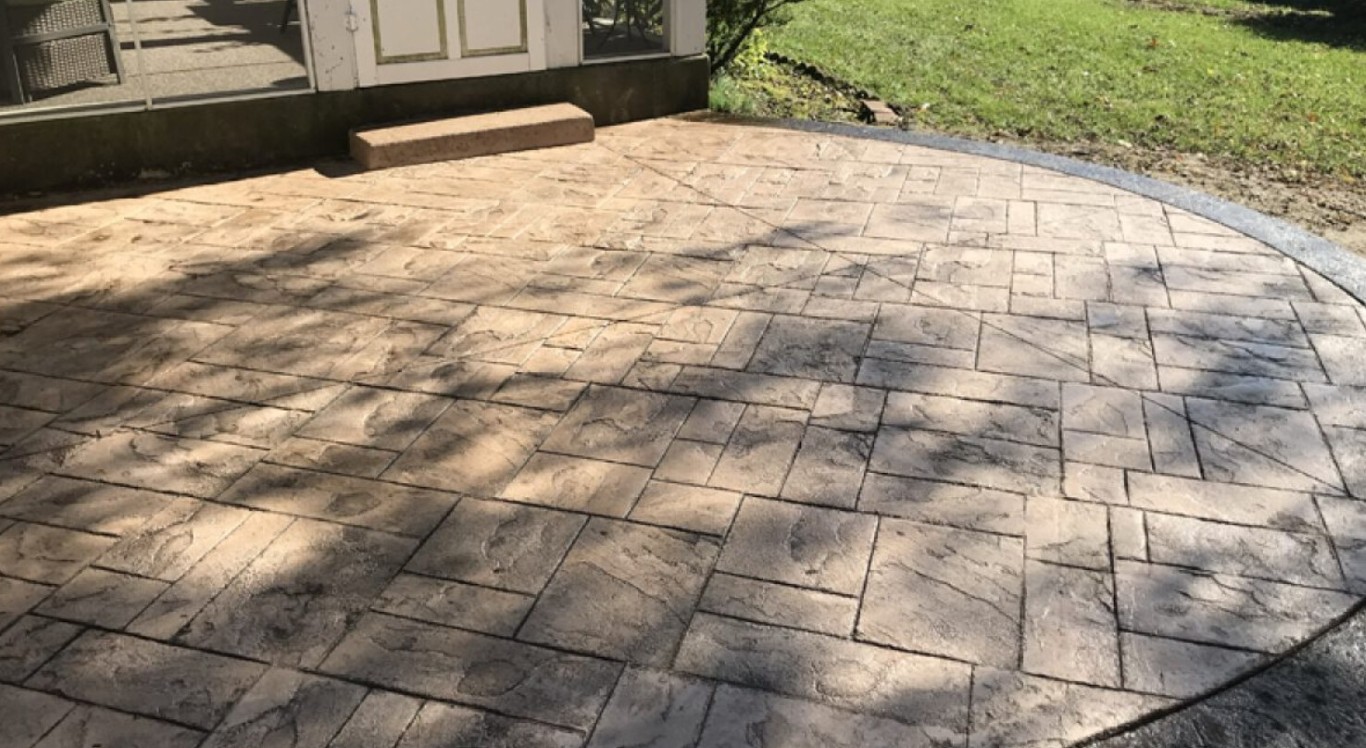
Most people think concrete has to look plain and industrial. We are here to show you otherwise. Stamped and decorative concrete lets you create surfaces that look like expensive natural stone, elegant brick, or custom tile work without the high cost or maintenance headaches. A stamped concrete patio, driveway, or walkway gives your property a high-end appearance that stands out from your neighbors without the price tag of natural stone.
We have been creating decorative concrete surfaces in Hacienda Heights for years, and the techniques keep getting better. Modern stamping tools can replicate almost any pattern you can imagine. The colors look natural and last for years. The textures feel realistic under your feet. When we finish a stamped concrete project, most people cannot tell it apart from real stone or pavers until they look closely.
The best part is that stamped concrete combines beauty with durability. Real stone pavers can shift and separate over time. Brick walkways develop weeds between the units. Wood decking rots and splinters. Stamped concrete stays solid and level because it is one continuous surface. You get the look you want without worrying about pieces moving or gaps forming between units.
Decorative concrete also costs significantly less than the materials it imitates. Natural flagstone can run twenty to thirty dollars per square foot installed. Quality pavers cost similar amounts when you factor in the base preparation and edge restraints. We can create a stamped concrete surface that looks like either one for roughly half that price. You save money without sacrificing the upscale appearance you want for your home.
Popular Stamped Concrete Patterns
The pattern you choose sets the tone for your entire outdoor space. Some patterns suit a stamped concrete patio better than a driveway, and others work well across both. Here are the most popular options we install in Hacienda Heights:
Ashlar Slate
This pattern mimics large rectangular slate tiles arranged in a random pattern. Ashlar slate creates an elegant, sophisticated look that works well for patios and entryways. The large stone sizes make spaces feel more open. We often use this pattern when customers want a high-end contemporary appearance. The texture provides good slip resistance even when wet, which makes it practical around pools or in areas that get rain.
Cobblestone
Cobblestone patterns create an old-world European feel. The irregular rounded stones work beautifully for driveways, courtyards, and garden paths. This pattern has more texture than most, which gives excellent traction for vehicles or foot traffic. Cobblestone works particularly well in traditional or Mediterranean-style homes. The pattern hides stains and wear better than smoother finishes too.
Wood Plank
Wood plank stamping replicates the look of wooden decking down to the grain patterns and knots. This option appeals to people who love the appearance of wood but do not want the maintenance. You never have to stain, seal, or replace rotting boards. Wood plank patterns work great for pool decks, patios, and even interior floors. We can create the look of weathered barn wood, rustic timber, or smooth modern planks depending on your style.
Random Stone
Random stone patterns mimic natural flagstone with irregular shapes and sizes. This creates an organic, natural appearance that blends beautifully with landscaping. Random stone works well when you want your hardscaping to look like it has been there forever. The varied shapes and sizes make this pattern forgiving too. Small imperfections disappear in the natural randomness of the design.
Brick and Running Bond
Classic brick patterns never go out of style. Running bond arranges rectangular bricks in a traditional offset pattern. Herringbone creates a diagonal zigzag that adds visual interest. Basket weave alternates horizontal and vertical brick pairs. Brick patterns suit traditional homes and create a warm, inviting feel. They work particularly well for walkways, driveways, and front entries.
The Stamped Concrete Installation Process
Creating quality stamped concrete requires skill, timing, and attention to detail. The process differs from standard concrete work in several important ways. Here is how we approach each project:
We start with the same site preparation and base work as any concrete project. The subgrade needs to be stable and properly compacted. The base layer provides drainage and prevents settling. We pay extra attention to grade and slope because decorative surfaces show any low spots or drainage problems more obviously than plain concrete.
Next comes the concrete pour. We use a special mix designed for stamped work. It needs to stay workable longer than regular concrete because stamping takes time. The concrete also needs the right consistency to accept the stamps without tearing or sticking. We add a color hardener to the surface right after pouring. This dry powder contains pigment and extra cement. We spread it evenly and work it into the surface to create the base color.
Once the color hardener is worked in, we apply a release agent. This powder or liquid prevents the stamps from sticking to the concrete. The release agent also adds subtle color variation that makes the finished surface look more natural. Without it, the stamping would create a uniform color that looks artificial.
The actual stamping happens when the concrete reaches the right consistency. Too soft and the stamps sink too deep. Too hard and they will not make a good impression. This timing is critical and comes from experience. We press the stamp mats into the concrete, working systematically across the surface. Each stamp overlaps slightly with the previous one. We align the patterns carefully so joints line up correctly.
After stamping, the concrete needs to cure for at least 24 hours. Then we wash off the excess release agent and apply a sealer. The sealer protects your investment and enhances the colors. It makes the surface resistant to stains and weather damage. We typically apply two coats of sealer for maximum protection. The sealer needs to be reapplied every two to three years to maintain the appearance and protection.
Color Options and Combinations
Color choices can make or break a decorative concrete project. Too bold and it looks garish. Too subtle and the pattern gets lost. We help customers find the right balance for their home and landscaping:
- •Earth tones: Browns, tans, and grays are the most popular choices in Hacienda Heights. They look natural, coordinate with most home colors, and hide dirt well. These colors also age gracefully without looking faded or tired.
- •Multi-color blends: Using two or three colors creates depth and realism. We might use a tan base with brown and gray accents. This variation mimics how real stone looks, with subtle color changes throughout the surface.
- •Accent borders: Many customers choose a main color for the field with a contrasting border. This frames the space and adds definition. A darker border around a lighter patio creates a polished, finished look.
- •Integral vs surface color: Integral color goes through the entire concrete, while surface color sits on top. We usually combine both for stamped work. The integral color provides a base that shows through if the surface ever chips. Surface color adds the final appearance and detail.
We always recommend looking at samples before choosing your colors. What looks good on a small chip might feel different across a large patio or driveway. We bring samples to your property so you can see how the colors look in your actual lighting conditions and next to your house. Colors can appear different in morning sun versus afternoon shade. Taking time to choose carefully prevents regrets later.
Keep in mind that stamped concrete colors will lighten slightly over time, especially if exposed to direct sun. We factor this into our color recommendations. A shade that seems slightly dark when new will mellow to the perfect tone after a year or two. The sealer we apply helps protect against fading, but some subtle changes are natural and usually improve the appearance by making it look more weathered and authentic.
Common Questions About Stamped Concrete
Customers considering decorative concrete usually have similar questions. Here are the answers to help you decide: