Concrete Repair & Replacement
Fix damaged concrete before small problems turn into expensive replacements with professional repair services.
When to Repair Versus Replace Concrete
Not every crack or damaged section means you need to tear out your entire driveway or patio. Many concrete problems can be fixed for a fraction of what replacement would cost. The trick is knowing when repair makes sense and when replacement is actually the smarter choice. We help Hacienda Heights homeowners make this decision based on the actual condition of their concrete, not what makes us the most money.
Small cracks under a quarter inch wide are perfect candidates for repair. We can fill them with specialized concrete caulk or epoxy that blends with your existing surface. Surface spalling where the top layer flakes off can often be resurfaced rather than replaced. Isolated sections that have settled or cracked can be cut out and replaced while leaving the rest of your concrete intact. These repairs cost significantly less than full replacement and can add years to your concrete's life.
On the other hand, some damage indicates bigger problems. If your concrete has multiple large cracks throughout, structural issues underneath are likely causing them. Fixing individual cracks will not solve the real problem. Similarly, if more than 30 percent of your surface is damaged, replacement usually makes more financial sense than trying to patch everything. Severe settling that creates trip hazards or drainage problems often requires starting over with proper base preparation.
Age plays a role too. Concrete typically lasts 25 to 30 years. If your driveway or patio is approaching that age and showing problems, putting money into repairs might not be wise. New concrete will last another 30 years, while repairs on old concrete might only buy you a few extra years. We provide honest assessments of whether repair or replacement gives you better long-term value.
Common Concrete Problems We Fix
Concrete develops specific types of damage over time. Each problem has different causes and requires different repair approaches. Here are the issues we see most often in Hacienda Heights:
Cracks
Hairline cracks are normal and usually harmless. They come from concrete shrinking as it cures. Wider cracks that grow over time indicate settling or structural stress. We evaluate crack patterns to determine their cause. Simple shrinkage cracks get filled with flexible sealant. Structural cracks need more involved repair that addresses the underlying cause. Settlement cracks might require lifting or replacing sections.
Spalling and Scaling
Spalling happens when the concrete surface flakes or chips away, exposing the aggregate underneath. This usually comes from water getting into the concrete and freezing, or from using deicing salts. Poor finishing when the concrete was poured can also cause spalling. We can grind down the damaged surface and apply a new overlay if the underlying concrete is sound. Severe spalling that goes deep requires replacement of affected sections.
Settling and Sinking
When sections of concrete drop below the surrounding surface, the base underneath has likely eroded or compressed. This creates trip hazards and drainage problems. We can sometimes lift settled concrete back to the correct level using specialized techniques. Other times, cutting out the section and repaving with proper base work makes more sense. The right approach depends on how much settling occurred and what caused it.
Discoloration and Staining
Oil stains, rust marks, and general discoloration make concrete look old and neglected. Most stains can be removed with proper cleaning methods. Stubborn stains might need grinding or acid etching. For concrete that is clean but just looks tired, we can apply a decorative overlay or stain that gives it a fresh appearance without the cost of replacement.
Edge Damage
The edges of driveways and walkways often chip or break because they lack support. Vehicles driving over the edge or heavy impacts cause most edge damage. We can rebuild damaged edges by forming and pouring new concrete that bonds to the existing surface. Proper edging and better support prevent the problem from recurring.
Our Concrete Repair Process
Quality repairs require careful preparation and the right materials. Rushing the job or using cheap products results in repairs that fail quickly. Here is how we approach concrete repair work to ensure it lasts:
- •Thorough assessment: We inspect the entire area, not just the obvious damage. We look for underlying issues that might cause future problems. We take measurements and photos to document the condition and help you understand what needs fixing.
- •Proper preparation: The repair area gets cleaned thoroughly. Loose concrete, dirt, and debris must be removed or the repair will not bond properly. We use wire brushes, grinders, or pressure washers depending on the situation. Clean concrete is essential for successful repairs.
- •Right materials: We match repair materials to your existing concrete and the type of damage. Flexible sealants work for cracks that might move. Rigid epoxy suits stable cracks. Resurfacing products need good bonding characteristics. Using the wrong product wastes money and time.
- •Expert application: Repair materials need to be mixed and applied correctly. Temperature and humidity affect how they cure. We follow manufacturer specifications and use techniques refined over years of repair work. Proper application determines whether a repair lasts months or decades.
- •Color matching: We blend repair materials to match your existing concrete as closely as possible. Perfect matches are difficult because concrete changes color over time. We get close enough that repairs blend in rather than standing out. Good color matching makes repairs look professional.
- •Protection and curing: Repairs need time to cure before they can handle traffic or weight. We protect fresh repairs and tell you exactly when you can use the area again. Following curing guidelines prevents damage to repairs before they reach full strength.
The timeframe for repairs varies based on scope and weather. Small crack repairs might take just a few hours plus curing time. Larger projects involving multiple sections or resurfacing need several days. We give you realistic timelines and keep you updated on progress. Weather affects concrete work, so we might need to reschedule if conditions are not right for proper curing.
Replacement: When Starting Fresh Makes Sense
Sometimes repair is not worth it, and replacement gives you better long-term results. We approach replacement projects with the same attention to detail we bring to new concrete installations. The advantage of replacement is that we can fix underlying problems and give you concrete that will last another 30 years.
The replacement process starts with removing the old concrete. We break it up and haul it away, leaving you with a clean site. Then we inspect and prepare the base. If poor drainage or weak soil caused the original failure, we address those issues before pouring new concrete. This might mean adding drainage systems, improving compaction, or bringing in better base material.
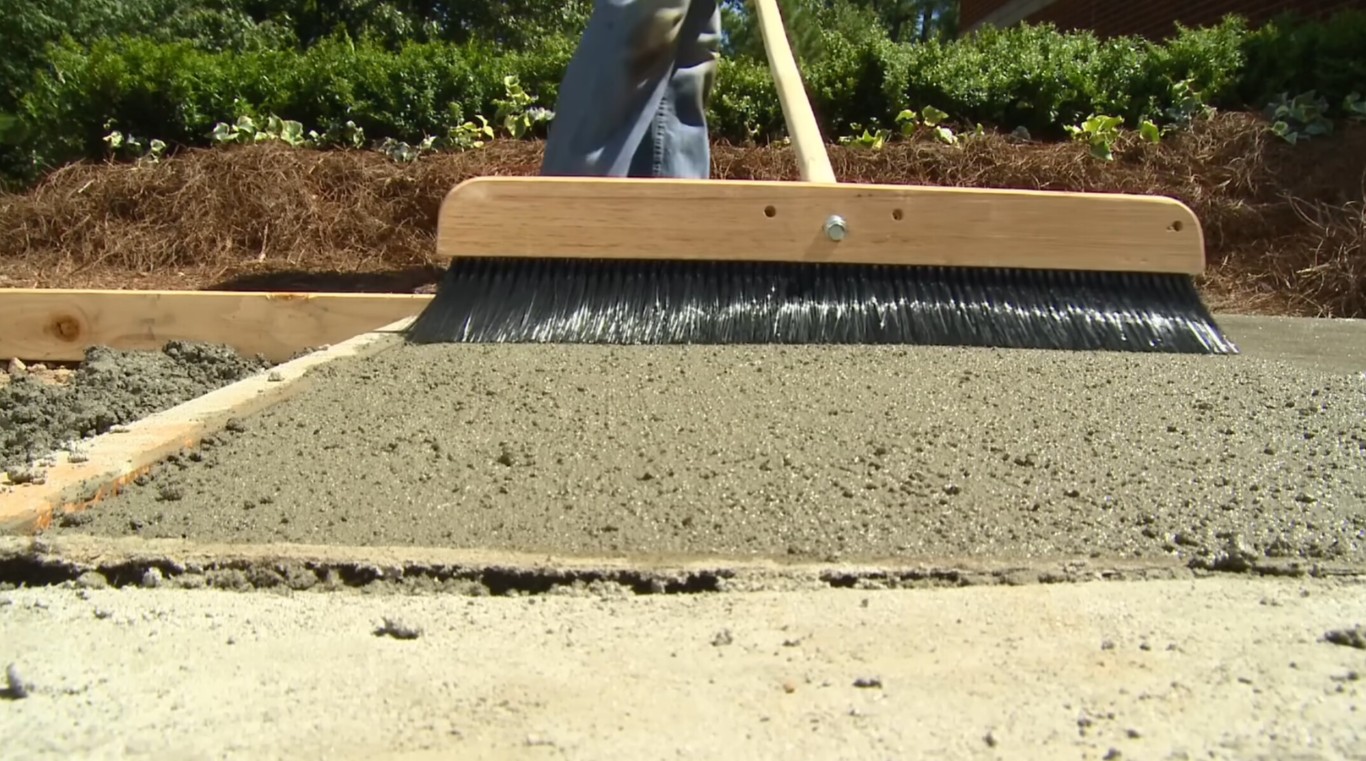
We pour the new concrete using modern techniques and quality materials. Proper reinforcement prevents future cracking. Control joints guide any cracks that do form into planned locations. The finishing matches your preferences, whether you want a simple broom finish or something more decorative. We can even upgrade to stamped or colored concrete if you want to improve the appearance while replacing damaged areas.
Replacement costs more than repair initially, but you get brand new concrete with no underlying issues. You also get to make improvements, like changing the size, shape, or finish of your concrete. Many customers find that replacement is worth the extra cost for the peace of mind and extended lifespan it provides. We help you weigh the costs and benefits to make the choice that fits your situation and budget.
Frequently Asked Questions About Concrete Repair
Here are the questions homeowners ask us most often about repairing damaged concrete: