Retaining Walls & Concrete Masonry
Control slopes and create usable yard space with professionally engineered retaining walls built to last.
Why Retaining Walls Matter for Sloped Properties
Hacienda Heights has plenty of hillside properties where slopes create challenges for homeowners. Retaining walls solve these problems by holding back soil and creating level areas you can actually use. Without proper retaining walls, slopes erode during rains, making landscaping difficult and potentially threatening structures downhill. A well-built retaining wall turns unusable slope into functional yard space while protecting your property from erosion and water damage.
Retaining walls are not just functional. They also add value and visual interest to your property. A terraced yard with multiple retaining walls creates distinct garden areas and makes slopes look intentional rather than problematic. The walls themselves can be attractive features using different materials, textures, and designs. Many Hacienda Heights homes use retaining walls as focal points in their landscaping rather than just necessary infrastructure.
The engineering behind retaining walls is more complex than most people realize. Walls must resist significant forces from the soil behind them. Water adds weight and pressure that can push walls over if drainage is inadequate. Earthquakes create additional lateral forces that walls must withstand. These factors mean retaining walls require proper design, quality construction, and appropriate materials. Cutting corners on retaining walls leads to failures that cost far more to fix than building them right initially.
We have built retaining walls throughout Hacienda Heights for residential and commercial clients. We understand local soil conditions, building codes, and engineering requirements. Our walls are designed to handle the specific conditions of your property, whether that means expansive clay soils, high groundwater, or steep slopes. This local expertise ensures your wall will perform as intended for decades.
Types of Retaining Walls We Build
Different situations call for different retaining wall solutions. Here are the main types we install and when each makes sense:
Concrete Block Walls
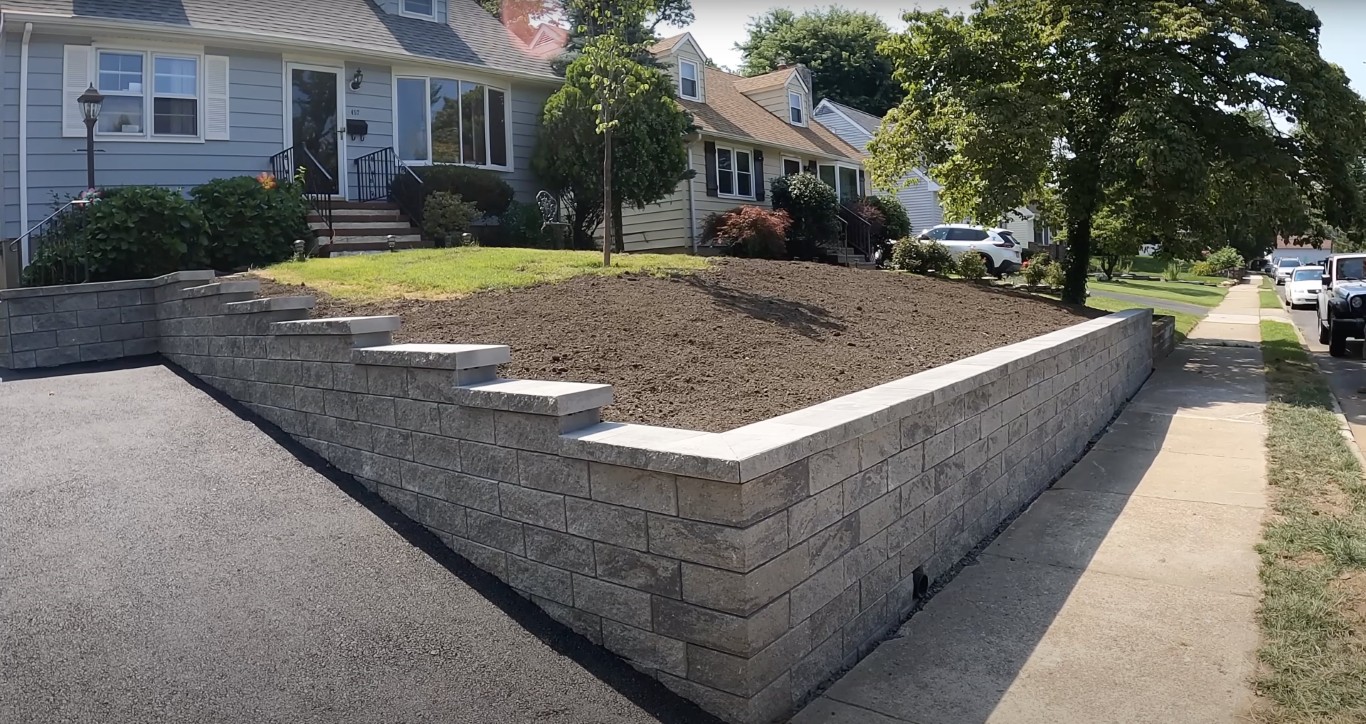
Concrete masonry blocks are the most common retaining wall material. These interlocking blocks stack without mortar and rely on their weight and design to resist soil pressure. Block walls work well for heights up to four feet. They cost less than poured concrete and install faster. The blocks come in various colors and textures, so you can match your home's aesthetic. Some blocks have textured faces that look like natural stone.
Block walls need proper base preparation and drainage just like any retaining wall. We excavate to stable soil, install a compacted gravel base, and build the wall with a slight backward lean. Drainage pipe behind the wall prevents water buildup that could push the wall forward. Geogrid reinforcement gets embedded in the soil behind taller walls to anchor them more securely.
Poured Concrete Walls
Poured concrete retaining walls handle greater heights and heavier loads than block walls. These walls get formed and poured like foundation walls, with steel reinforcement built in for strength. Concrete walls can be finished smooth or stamped with patterns. They work particularly well for commercial properties or residential applications that need structural walls over six feet tall.
Engineering is especially important for poured concrete walls. The wall thickness, footing size, and reinforcement must be calculated based on wall height and soil conditions. We work from engineered plans that specify all structural details. This ensures your wall meets code requirements and will perform reliably under load.
Stone Veneer Walls
For the look of natural stone without the cost, we can build concrete block walls and face them with stone veneer. This gives you the structural benefits of concrete with the appearance of stacked stone. Veneer comes in various stone types from rustic fieldstone to elegant cut stone. This option costs more than plain block but less than solid stone construction. The result looks high-end and blends beautifully with landscaping.
Tiered Wall Systems
When you need to retain a tall slope, building multiple shorter walls in tiers works better than one tall wall. Terraced walls cost less, require less engineering, and create interesting landscape levels. Each tier can include planting areas that soften the appearance and help control erosion. We design tiered systems that maximize usable space while keeping each individual wall at a manageable height.
Critical Elements of Retaining Wall Construction
Several factors determine whether a retaining wall succeeds or fails. Here are the elements we focus on for every wall we build:
- •Proper foundation: Retaining walls need stable footings below frost depth and on undisturbed soil. The footing spreads the wall's weight and prevents settling. Footing size depends on wall height and soil bearing capacity. We never skip proper footings even for short walls because settlement causes walls to lean or crack.
- •Drainage systems: Water is the biggest threat to retaining walls. Saturated soil weighs more and pushes harder against walls. We install perforated drain pipe behind every wall to collect and redirect water. The pipe connects to drainage outlets that carry water away safely. Gravel backfill around the pipe filters water and prevents clogging.
- •Appropriate batter: Most retaining walls lean slightly backward into the slope they are holding. This batter helps the wall resist soil pressure. The amount of batter depends on wall height and type. We build the correct batter into every wall for optimal performance and appearance.
- •Quality backfill: The soil behind retaining walls needs to drain well and compact properly. We use select backfill material rather than whatever soil was excavated. This engineered fill provides better support and drainage than native clay soils common in Hacienda Heights. Proper compaction prevents settling behind the wall.
- •Reinforcement when needed: Taller walls need additional reinforcement beyond their own mass. Steel rebar in concrete walls provides tensile strength. Geogrid layers in block walls anchor them into the soil behind. We include appropriate reinforcement based on engineering requirements for your specific wall height and soil conditions.
Code compliance is another critical element. Retaining walls over three feet tall typically require building permits in Hacienda Heights. Taller walls need engineered plans stamped by a licensed engineer. We handle the permit process and provide required engineering. Inspections verify that construction matches approved plans. While permits add cost and time, they ensure your wall is built safely and legally. This protects you from liability and prevents problems if you ever sell your property.
Planning Your Retaining Wall Project
Successful retaining wall projects start with careful planning. Here is what we consider when designing a wall for your property:
First, we evaluate your soil conditions. The type of soil affects wall design significantly. Clay soils expand when wet and create more pressure on walls. Sandy soils drain better but provide less support. We might recommend soil tests for large or complex projects. Understanding your soil lets us design walls that will perform reliably in your specific conditions.
Drainage patterns matter too. We look at where water flows during storms and how it affects your slope. Sometimes drainage improvements need to happen alongside wall construction. Redirecting water away from walls prevents future problems. We identify these issues during the planning phase so you know the complete scope of work needed.
The intended use of retained areas influences design. If you want flat yard space for a patio or lawn, we maximize level area behind the wall. If you are creating planting beds, we might recommend shorter walls with more terraces. Your goals shape the wall layout and configuration.
Aesthetics get considered alongside function. We help you choose materials and finishes that complement your home and landscape. The wall should look like a planned feature, not an afterthought. Color, texture, and capping options let you customize appearance while maintaining structural integrity.
Budget realities also affect planning. Retaining walls represent significant investments, especially for taller walls or long runs. We provide detailed estimates that break down costs so you can make informed decisions. Sometimes phased construction makes sense, building the most critical sections first and adding more later. We work with your budget to deliver the best solution possible within your financial constraints.
Frequently Asked Questions About Retaining Walls
Property owners considering retaining walls usually have similar questions. Here are the answers: