
Concrete Steps & Stairs
Safe, durable concrete steps that provide secure access to your home for decades without constant maintenance.
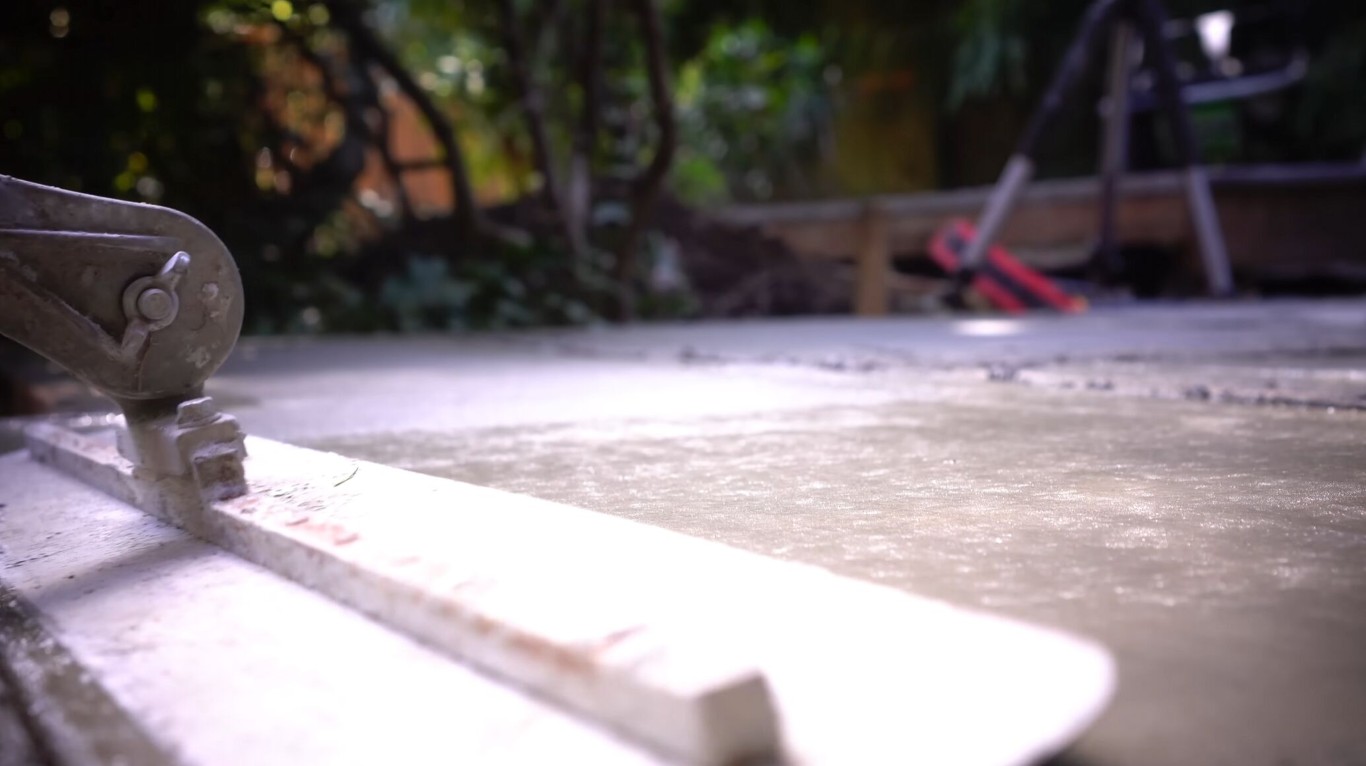
Why Your Steps Matter More Than You Think
Steps and stairs might seem like a minor part of your property, but they are actually one of the most important safety features. Everyone who visits your home uses your front steps. You use them multiple times every day. Damaged, uneven, or poorly built steps create serious trip hazards and liability risks. Good concrete steps, on the other hand, provide safe, reliable access for decades with minimal maintenance.
Concrete makes an excellent material for outdoor steps. It handles weather extremes without rotting like wood or rusting like metal. It stays solid and level instead of shifting like individual pavers or stone pieces. Properly built concrete steps resist cracking, settling, and deterioration far longer than most alternatives. When you factor in the long lifespan and low maintenance needs, concrete steps offer tremendous value.
The construction details matter enormously with steps. Each step must be exactly the right height and depth for comfortable, safe use. The rise and run need to be consistent from bottom to top. The surface needs traction to prevent slips when wet. Railings must be secure and meet code requirements. We have built hundreds of sets of concrete steps in Hacienda Heights, and we know these details inside out.
Steps also affect your home's appearance. They are a prominent feature that visitors notice immediately. Well-designed concrete steps can enhance your curb appeal significantly. We can create steps with decorative finishes, interesting shapes, and complementary colors that make them attractive features rather than purely utilitarian structures. The right steps improve both safety and aesthetics at the same time.
Types of Concrete Steps We Build
Different situations call for different step designs and construction methods. Here are the main types we install:
Front Entry Steps
Front entry steps connect your front door to ground level or your walkway. These typically range from three to eight steps depending on your home's elevation. We build them wide enough for two people to pass comfortably, usually at least four feet across. Front steps often include landing areas at the top that provide space to stand while opening the door. Some designs incorporate wider landings that function as small front porches.
Front steps are perfect candidates for decorative treatments since they are so visible. We can add stamped patterns, colored concrete, or textured finishes that coordinate with your home's style. Integrated planters or lighting features can make front steps even more attractive and welcoming.
Back and Side Entry Steps
Utility entries at the back or side of your home need functional steps that may not require as much decorative treatment. These can be simpler and more cost-effective while still providing safe access. We build them to proper code specifications with appropriate tread depth and riser height. Even utility steps benefit from good drainage and slip-resistant surfaces.
Basement and Garage Steps
Steps leading to basements or from garages into homes face different requirements. They often need to fit in confined spaces while still meeting code for safe use. We design these steps to maximize comfort and safety within available space. Proper lighting becomes especially important for interior or covered steps where natural light is limited.
Garden and Landscape Steps
Steps that navigate slopes in your yard or connect different garden levels can be more creative and informal. These might have wider treads and lower risers for a more relaxed pace. Curved or irregular shapes work well in landscape settings. We can blend garden steps into surrounding plantings so they look like natural features of your yard.
Commercial and Public Stairs
Business properties need steps that meet stricter code requirements including specific dimensions, railings, and accessibility features. Commercial steps must handle heavier traffic and provide safe access for customers and employees. We build to commercial specifications and coordinate inspections to ensure full code compliance.
Critical Design Elements for Safe, Comfortable Steps
Good step design follows specific guidelines that make steps safe and comfortable to use. Here are the key elements we focus on:
- •Consistent riser height: Each step should rise the same amount from the one below. Building codes typically allow risers between four and eight inches, with seven inches being most comfortable for average adults. Inconsistent riser heights cause people to trip because their feet expect the same step height.
- •Adequate tread depth: The horizontal part you step on needs to be deep enough for your whole foot. Codes require minimum 10-inch treads for most applications. Deeper treads feel more comfortable and safer, especially for people with mobility concerns. We typically use 11 to 12 inch treads when space allows.
- •Proper slope for drainage: Steps need a slight forward slope so water drains off instead of pooling. We typically use a two percent slope, which is about a quarter inch per foot. This is enough to move water without being noticeable when walking.
- •Slip-resistant surface: Smooth concrete becomes slippery when wet. We add texture through broom finishing, light sandblasting, or other techniques that provide traction. The texture needs to be aggressive enough for safety but not so rough that it is uncomfortable or hard to keep clean.
- •Appropriate width: Steps should be wide enough for their use. Minimum code width is usually 36 inches, but we recommend at least 48 inches for main entries. Wider steps feel more welcoming and allow people to pass each other comfortably.
- •Landings when needed: Long runs of steps need intermediate landings for safety and comfort. Codes typically require landings after every 12 feet of vertical rise. Landings provide rest spots and make steps feel less intimidating.
Railings are another critical safety element. Most jurisdictions require railings for steps with more than three risers. Railings must be a specific height, usually 34 to 38 inches, and strong enough to support someone catching themselves from a fall. We coordinate with railing installers or can provide complete step and railing packages. The railings should integrate with the step design rather than looking like an afterthought.
How We Build Steps That Last
Constructing quality concrete steps requires precision and attention to structural details. Here is our process for building steps that will serve you for decades:
We start with proper foundation work. Steps need stable footings below frost depth and on solid ground. The footing must be large enough to support the step structure without settling. We excavate to suitable soil and pour footings that extend below the deepest point where ground freezes. In Hacienda Heights, frost is rarely an issue, but we still build footings deep enough to reach stable, undisturbed soil.
Next comes the forming work. Building forms for steps is more complex than for flat concrete because each tread and riser needs to be formed accurately. We use temporary forms that create the exact shape needed. The forms must be sturdy enough to hold wet concrete without shifting. We double-check all measurements because errors in forming show up in the finished steps and cannot be easily fixed.
Reinforcement goes into the forms before we pour concrete. Steel rebar running horizontally and vertically strengthens the structure. The reinforcement ties the steps together as one unit and prevents cracks from forming or spreading. We pay special attention to reinforcing connections between the steps and any landing areas or existing structures.
The concrete pour must happen carefully to avoid voids or weak spots. We use concrete with the right consistency to fill all areas of the forms completely. Vibration helps eliminate air pockets that could weaken the structure. We fill the forms from bottom to top, making sure each section bonds properly with the previous one. After the concrete is placed, we finish the tread surfaces to provide appropriate texture and appearance.
Curing is crucial for steps just like any concrete structure. The concrete needs at least seven days to gain adequate strength before use. We protect fresh concrete from drying too fast, freezing, or being disturbed during curing. Proper curing ensures your steps reach full strength and durability. After the concrete cures, we remove forms and clean up thoroughly.
Frequently Asked Questions About Concrete Steps
Homeowners planning step projects usually have similar questions. Here are the answers: